Overview
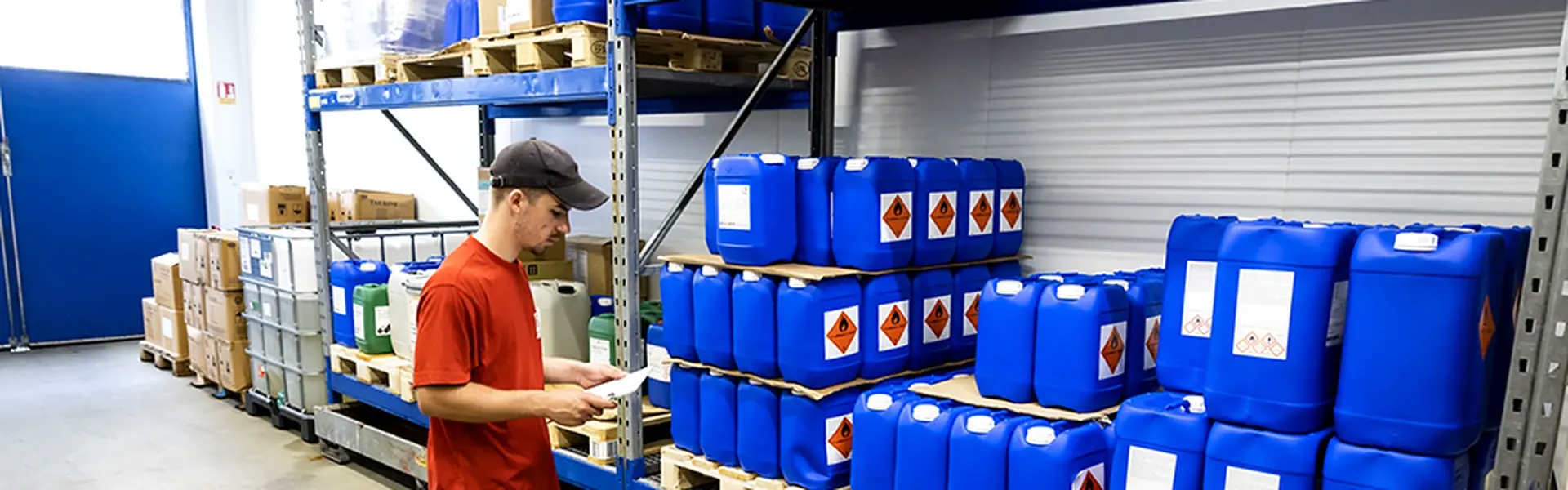
Hazard inhibition is an extremely important factor in the occurrence of disasters. WHMIS training aims to eliminate this inhibition by making your employees fully aware of the hazards associated with the products they handle.
Implementation of WHMIS is mandatory. Your labels must be updated with the new pictograms, and your material safety data sheets must be replaced with safety data sheets (SDS).
Employers are required to train their workers on WHMIS following major changes to the regulatory content of labels, safety data sheets, and the training and information program.
Additionally, employees must be trained and informed when new hazardous products are used in the workplace or when changes affecting work methods, exposure risks, or emergency measures occur.
Training Objectives
With WHMIS training, your employees will master:
-
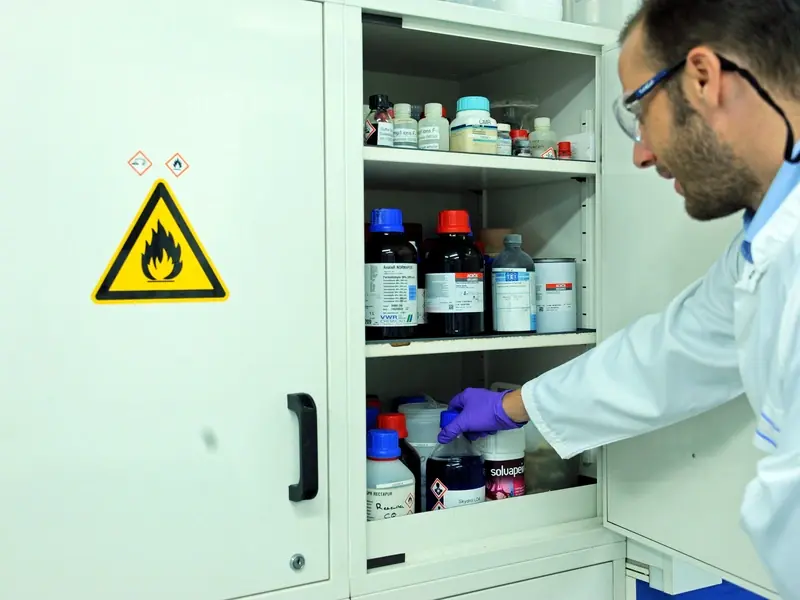
The meaning of the various GHS pictograms and their practical application in the workplace.
-
Guidelines for ensuring the safe use, handling, storage, and disposal of hazardous products.
-
Behaviours to adopt before using these products and what to do in the event of an incident or accident.
-
The routes of entry of contaminants into the body and their short- and long-term health effects.
-
Best practices for storing, handling, and disposing of hazardous products.
-
Where safety data sheets (SDS) are kept, what format they are in, how to access them, and how to print them.
-
The steps an employer must take to ensure that workers understand and have mastered the knowledge acquired.
The 9 GHS Pictograms
Your training covers all official GHS pictograms
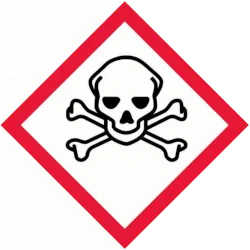
Acute Toxicity
Substances lethal at low doses
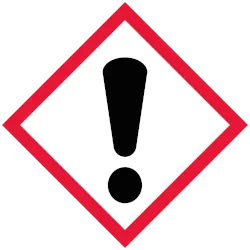
Exclamation Mark
Irritants, sensitizers, harmful substances
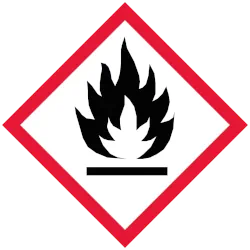
Flame
Flammable liquids and solids
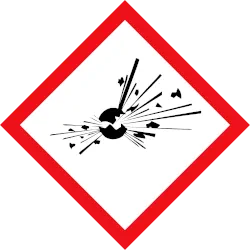
Exploding Bomb
Explosives, unstable reactive substances
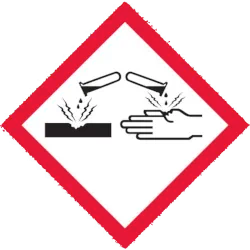
Corrosion
Substances corrosive to skin and metals
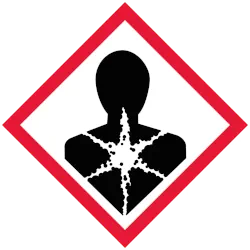
Health Hazard
Carcinogens, mutagens, reproductive toxicants
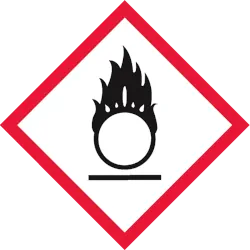
Oxidizer
Oxidizing substances — increased fire risk
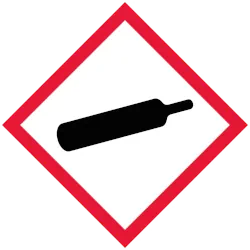
Gas Cylinder
Compressed, liquefied, or dissolved gases

Biohazard
Infectious materials and biological agents
WHMIS and GHS — What Changed
The Globally Harmonized System (GHS) modifies Canadian occupational health and safety legislation under WHMIS. Here are the main changes:
WHMIS 1988 — Before
- Black symbols on white background with hatching
- Material Safety Data Sheets (MSDS) — variable format
- "Controlled products" labelling
- Canadian-only hazard classes
- Non-harmonized international format
WHMIS — Now
- GHS pictograms — red diamond with symbol
- Safety Data Sheets (SDS) — 16 standardized sections
- "Hazardous products" labelling
- International harmonization (Canada, USA, Europe)
- Foreign suppliers must provide compliant SDS
Don't wait until the last minute!
Your company is required to train all workers who are exposed to hazardous products. Contact us now to arrange customized WHMIS training delivered directly at your workplace.