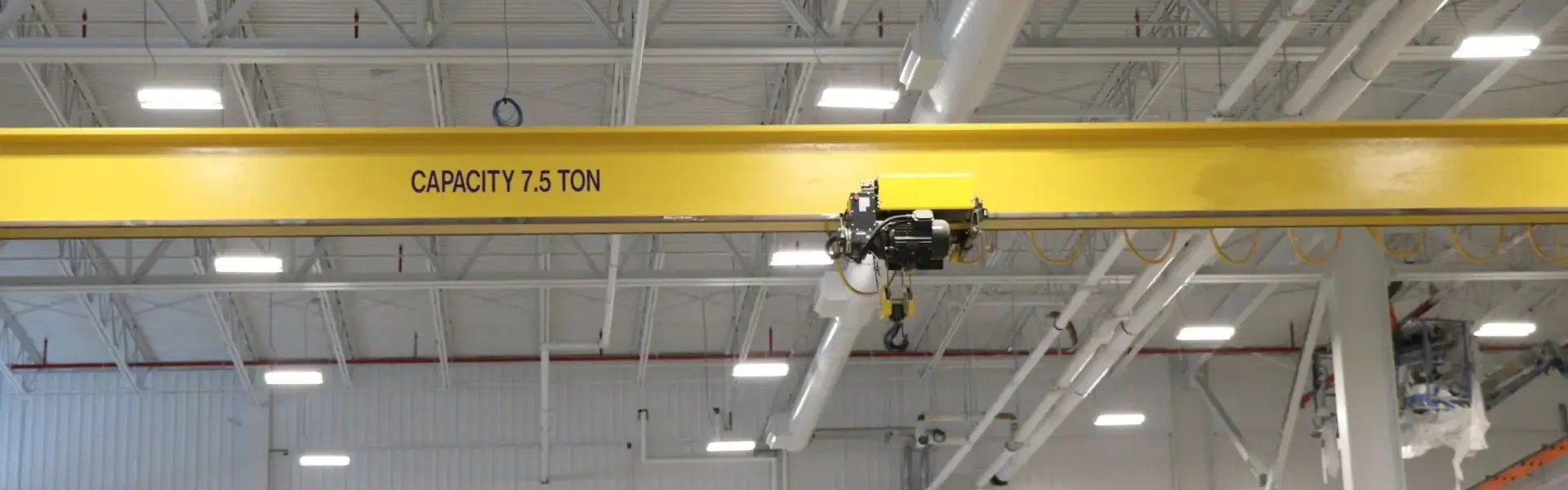
Training Content
In addition to the mandatory training to certify your employees on overhead crane operation, Safety Training encourages your employees to reflect on:
- the inherent hazards of crane operation,
- the right choice of rigging equipment,
- pre-use inspection procedures,
- rigging methods and their effects on load capacity,
- movements (translation, direction, and lifting),
- the use of chain shorteners.
We also cover the legal aspects and provide a history of worker protection in Quebec, personal and employer responsibilities, the principle of due diligence, and the dramatic increase in CNESST fines since 2011.
We generally invite supervisors to participate in this training session free of charge, as this topic is particularly relevant to them.
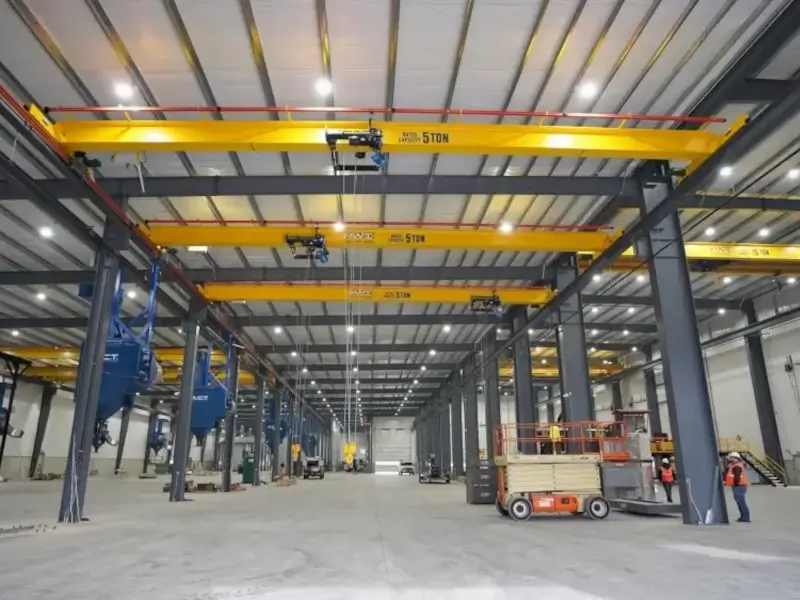
Training Structure
Theoretical component
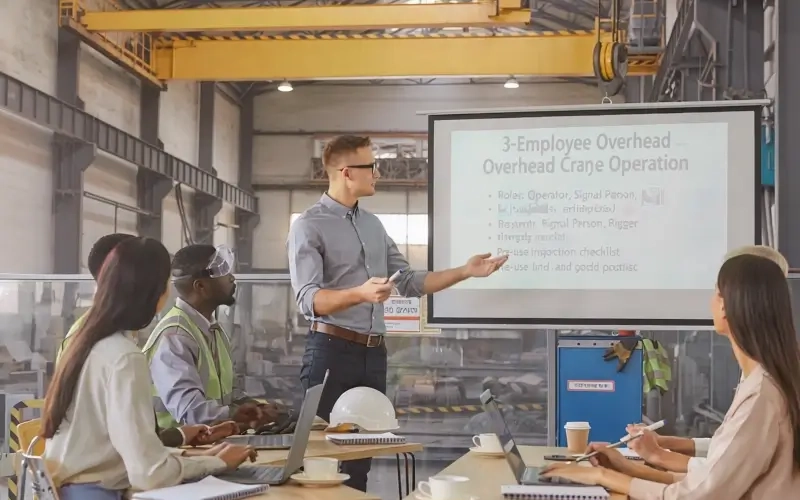
Since June 2008, an overhead crane must only be operated by an operator who has received both theoretical and practical training from an instructor (Art. 254.1, OSHR). This requirement also applies to riggers and signal persons.
- Description of the different types of overhead cranes and lifting accessories used in the facility.
- The work environment and its impact on crane operation.
- Operations related to the crane: rigging, control devices, universal signalling, load handling and movement.
- Communication methods related to crane operation.
- Visual and functional pre-use inspection.
- Rules and guidelines on the work environment.
Practical component
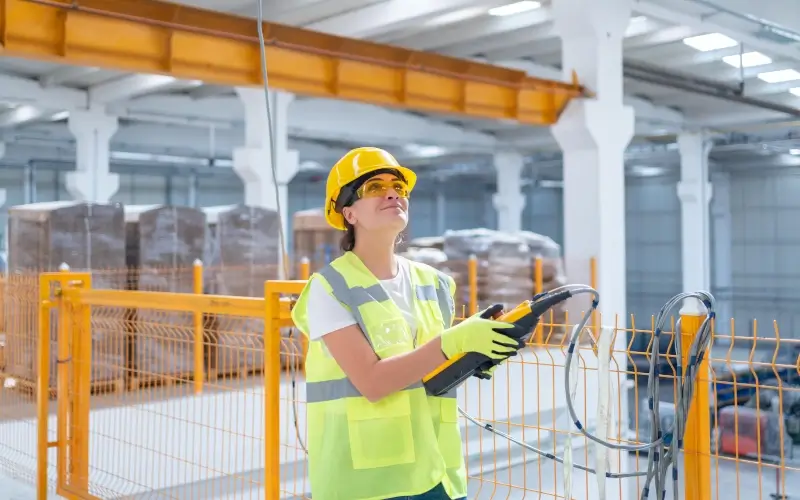
Practical training must be conducted in the workplace under conditions that do not expose the operator and other workers to hazards arising from the learning process.
Running 6 to 8 hours, overhead crane training also covers the use of jib cranes and monorails. It includes:
- Maximum crane capacity
- Environmental conditions
- Rigging and load attachment conditions
- Proper load distribution
- Safety equipment
- Safe shutdown of equipment after use
- Inspections and maintenance
Minimizing Risks
Every year, people lose limbs or even their lives due to overhead crane accidents. We handle enormous loads with such ease that we sometimes forget the damage they can cause — both to equipment and to personnel.
A true story
A young man had been working in the granite industry for a short time. A slab approximately 1 metre by 2 metres (3 × 6 feet) and 30 cm thick was gently swinging, suspended from an overhead crane by two polyester slings and left unattended.
The young man needed to pass with a forklift and decided to nudge the granite slab slightly to avoid hitting it. An uncontrolled movement of the slab occurred and the young man put his hand out to stop it.
The accident: That small slab weighed nearly 1,350 kg (3,000 lbs) and his hand was just barely grazed by the metal beam. A mere 3-millimetre shift would have been enough to tear off his fingers.
It is difficult to imagine the kinetic energy stored in a load that is merely swinging gently.
It is difficult to control instinctive reflexes, because we don't truly decide whether to act or not.
It is the development of good work habits that can help us avoid this type of accident.
That's why Safety Training excels at raising employee awareness so they can recognize the hazards of their work and take action to prevent costly accidents.